Feed Your Brain This Fall: 5 Nourishing Recipes for Brain Health
Blue Ridge Acupuncture & Integrative Health | Watauga County, North Carolina
As the leaves begin to change across the Blue Ridge Mountains and the air turns crisp, fall invites us to slow down, enjoy seasonal flavors, and reconnect with the habits that help us feel our best.
But did you know that the foods you eat can also play an important role in supporting your brain health?
Your brain works around the clock. From memory and concentration to mood and mental clarity, it relies on a steady supply of nutrients to support its many functions. While no single food can guarantee better memory or prevent cognitive decline, a balanced eating pattern rich in vegetables, fruits, healthy fats, whole grains, and quality protein can help support overall brain health.
At Blue Ridge Acupuncture & Integrative Health, we believe wellness starts with caring for the whole person. That includes recognizing the important connection between nutrition, physical health, emotional well-being, and the everyday choices that shape how we feel.
This fall, we're sharing five delicious, seasonal recipes featuring ingredients associated with a brain-supportive eating pattern. They're simple, comforting, and perfect for bringing a little extra nourishment to your kitchen!
How Nutrition Supports Brain Health
Your brain requires energy and nutrients to carry out essential functions, including communication between nerve cells, maintaining cell structures, and regulating many processes throughout the body.
Certain nutrients are especially important to normal brain function:
- Omega-3 fatty acids: Found in fatty fish such as salmon and sardines, these fats are important components of brain cell membranes.
- Antioxidants: Found in berries, leafy greens, and colorful vegetables, these compounds help protect cells from oxidative damage.
- B vitamins: Folate, vitamin B6, and vitamin B12 support normal nervous system function and other essential processes.
- Fiber-rich carbohydrates: Oats, beans, whole grains, and vegetables provide fiber and help make meals satisfying.
- Healthy fats: Olive oil, walnuts, seeds, and avocados provide unsaturated fats that can be part of a heart- and brain-supportive eating pattern.
Research on eating patterns such as the Mediterranean and MIND diets suggests that diets emphasizing vegetables, berries, nuts, whole grains, legumes, olive oil, and fish may be associated with better cognitive health. However, research is ongoing, and no particular food or diet guarantees protection against memory loss or dementia.
The good news? You don't need an elaborate meal plan to get started. A few simple ingredients and consistent habits can make nourishing your brain a delicious part of everyday life.
Recipe #1: Cinnamon Apple Walnut Oatmeal
There's nothing quite like a warm bowl of oatmeal on a cool fall morning. This cozy breakfast combines oats, apples, cinnamon, and walnuts for a satisfying start to your day.
Walnuts provide plant-based omega-3 fatty acid ALA, while oats contribute fiber. Apples add sweetness and beneficial plant compounds without needing much added sugar.
Ingredients
- ½ cup old-fashioned rolled oats
- 1 cup milk of choice or water
- ½ apple, diced
- 1 tablespoon chopped walnuts
- ½ teaspoon cinnamon
- 1 teaspoon chia seeds, optional
- 1 teaspoon maple syrup, optional
- Pinch of salt
Instructions
- Combine the oats, milk or water, diced apple, cinnamon, and salt in a small saucepan.
- Bring to a gentle simmer and cook for 5–7 minutes, stirring occasionally, until the oats are creamy and the apples soften.
- Stir in the chia seeds, if using.
- Transfer to a bowl and top with chopped walnuts and a small drizzle of maple syrup, if desired.
Why we love it for brain health: Walnuts provide ALA omega-3 fatty acids, and oats supply fiber. This combination makes a nourishing breakfast that fits well into an overall brain-supportive eating pattern.
Make it a balanced breakfast: Add plain Greek yogurt or an egg on the side for extra protein.
Recipe #2: Fall Berry, Pumpkin Seed & Spinach Salad
Who says salads are only for summer? This colorful fall salad combines leafy greens, berries, crunchy seeds, and a simple olive oil dressing for a refreshing lunch or side dish.
Spinach provides folate and other nutrients, berries contain anthocyanins and other plant compounds, and pumpkin seeds contribute magnesium and zinc.
Ingredients
- 3 cups fresh baby spinach
- ½ cup blueberries, fresh or thawed frozen
- ½ pear, thinly sliced
- 2 tablespoons pumpkin seeds
- 2 tablespoons chopped walnuts
- 2 tablespoons crumbled feta, optional
For the dressing:
- 1 tablespoon extra-virgin olive oil
- 1 tablespoon lemon juice
- 1 teaspoon Dijon mustard
- ½ teaspoon honey, optional
- Black pepper to taste
Instructions
- Place the spinach in a large bowl.
- Add the blueberries, sliced pear, pumpkin seeds, walnuts, and feta.
- In a small bowl, whisk together the olive oil, lemon juice, Dijon mustard, honey, and black pepper.
- Drizzle the dressing over the salad just before serving.
- Toss gently and enjoy.
Why we love it for brain health: This salad offers a variety of colorful plant foods, healthy fats, and important micronutrients. Berries and leafy greens are particularly good ingredients to include regularly in a varied diet.
Make it a meal: Add grilled salmon, chicken, lentils, or chickpeas for a more substantial lunch.
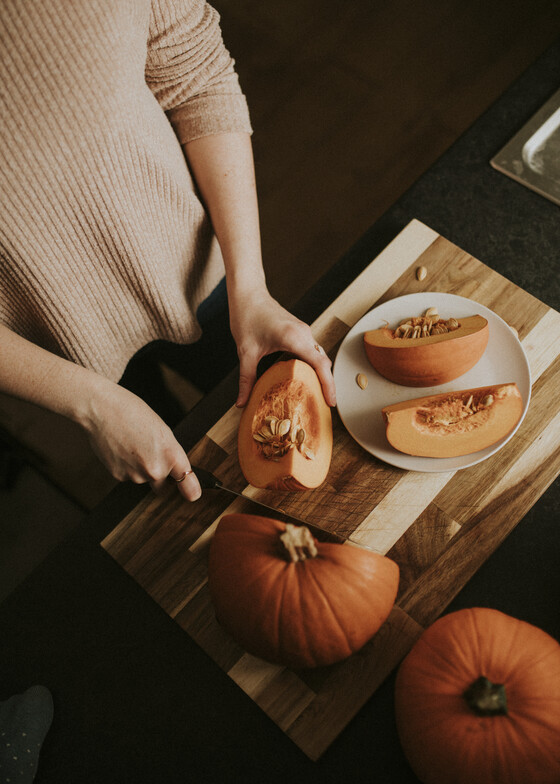
Recipe #3: Roasted Pumpkin Seeds with Rosemary
Pumpkin carving season means one thing: fresh pumpkin seeds! Instead of tossing them, turn them into a crunchy, savory snack that is easy to prepare and perfect for keeping on hand.
Pumpkin seeds contain magnesium, zinc, protein, and unsaturated fats. Rosemary adds a fragrant, earthy flavor that pairs beautifully with the natural nuttiness of the seeds.
Ingredients
- 1 cup raw pumpkin seeds, cleaned and dried
- 1 teaspoon olive oil
- ½ teaspoon dried rosemary
- ¼ teaspoon garlic powder
- Pinch of salt
- Black pepper to taste
Instructions
- Preheat your oven to 325°F.
- Remove any remaining pumpkin pulp from the seeds and pat them dry thoroughly.
- Toss the seeds with olive oil, rosemary, garlic powder, salt, and pepper.
- Spread them in a single layer on a baking sheet.
- Roast for 20–30 minutes, stirring occasionally, until lightly golden and crisp.
- Allow them to cool completely before storing in an airtight container.
Why we love it for brain health: Pumpkin seeds provide minerals involved in normal nervous system function, including magnesium and zinc. They also offer a satisfying alternative to heavily processed snack foods.
A little extra tip: Sprinkle roasted pumpkin seeds over soups, salads, oatmeal, or roasted vegetables to add crunch and nutrition.
Recipe #4: Creamy Butternut Squash & White Bean Soup
When fall arrives in the High Country, a warm bowl of soup can be just what you need. This butternut squash and white bean soup combines the natural sweetness of squash with creamy white beans, aromatic herbs, and a nourishing vegetable broth.
Butternut squash is rich in beta-carotene, which the body converts to vitamin A. White beans provide fiber, plant-based protein, and folate, making this a comforting and satisfying meal.
Ingredients
- 1 medium butternut squash, peeled and cubed
- 1 can (15 ounces) cannellini beans, rinsed and drained
- 1 small onion, chopped
- 2 cloves garlic, minced
- 3 cups low-sodium vegetable broth
- 1 tablespoon extra-virgin olive oil
- ½ teaspoon dried thyme
- ½ teaspoon dried sage
- Black pepper and salt to taste
- Optional: fresh parsley and pumpkin seeds for garnish
Instructions
- Heat the olive oil in a large pot over medium heat.
- Add the onion and cook for 4–5 minutes until softened. Stir in the garlic.
- Add the cubed squash, vegetable broth, thyme, sage, and black pepper.
- Bring to a boil, then reduce the heat and simmer for 20–25 minutes, or until the squash is tender.
- Stir in the cannellini beans and cook for another 5 minutes.
- Blend part or all of the soup until it reaches your preferred consistency. Use caution when blending hot liquids.
- Serve warm with fresh parsley or pumpkin seeds.
Why we love it for brain health: This recipe combines vegetables, legumes, and olive oil in a meal that fits a Mediterranean-style eating pattern. Beans provide folate and fiber, while squash contributes valuable vitamins and plant compounds.
Meal-prep tip: Make a double batch and freeze individual portions for easy lunches and dinners on busy days.
Recipe #5: Maple Dijon Salmon with Roasted Brussels Sprouts
If you're looking for a simple fall dinner with plenty of flavor, this salmon recipe is a great option. It pairs omega-3-rich salmon with roasted Brussels sprouts and sweet potatoes for a colorful, balanced meal.
Fatty fish such as salmon provide EPA and DHA omega-3 fatty acids, which are important components of cell membranes, including those in the brain.
Ingredients
For the salmon:
- 2 salmon fillets
- 1 tablespoon Dijon mustard
- 1 teaspoon pure maple syrup
- 1 teaspoon olive oil
- 1 teaspoon lemon juice
- Black pepper to taste
For the vegetables:
- 2 cups Brussels sprouts, halved
- 1 medium sweet potato, cubed
- 1 tablespoon olive oil
- ½ teaspoon garlic powder
- Salt and black pepper to taste
Instructions
- Preheat your oven to 400°F.
- Toss the Brussels sprouts and sweet potato with olive oil, garlic powder, salt, and pepper.
- Spread the vegetables on a baking sheet and roast for 15 minutes.
- Meanwhile, mix the Dijon mustard, maple syrup, olive oil, lemon juice, and black pepper.
- Place the salmon on the baking sheet alongside the vegetables, or use a separate lined pan. Brush the salmon with the maple Dijon mixture.
- Roast for another 12–15 minutes, depending on the thickness of the salmon, until it flakes easily and reaches an internal temperature of 145°F.
- Serve the salmon with the roasted vegetables and a squeeze of fresh lemon.
Why we love it for brain health: Salmon supplies EPA and DHA, while Brussels sprouts provide vitamin C and folate. Sweet potatoes contribute beta-carotene and fiber. Together, these ingredients make a nutrient-rich meal that supports an overall healthy eating pattern.
Easy variation: If salmon isn't your favorite, try trout or sardines. For a plant-based alternative, serve the roasted vegetables with lentils, chickpeas, or tofu.
5 Everyday Habits to Support Your Brain Health
Healthy eating is an important piece of the wellness puzzle, but brain health involves more than food alone. Your brain benefits from a variety of everyday habits that support your physical and emotional well-being.
Here are five practical ways to care for your brain this fall.
1. Eat a Variety of Colorful Foods
Aim to include a range of fruits, vegetables, legumes, whole grains, nuts, seeds, and healthy fats throughout the week.
Different foods provide different nutrients, so variety is more useful than relying on a single so-called superfood.
2. Prioritize Consistent, Restful Sleep
Sleep supports memory consolidation, attention, and emotional regulation. Establishing a consistent sleep schedule, creating a relaxing bedtime routine, and limiting caffeine later in the day may help improve sleep habits.
If you're experiencing persistent sleep difficulties, talk with a qualified healthcare professional.
3. Keep Your Body Moving
Physical activity supports cardiovascular health, which is closely connected to brain health. Walking, dancing, gardening, swimming, and other activities you enjoy can help you build a consistent routine.
A colorful walk through the fall foliage can be a wonderful way to combine movement, fresh air, and time outdoors.
4. Make Time for Mental and Social Connection
Reading, learning a new skill, working on a puzzle, creating art, and spending meaningful time with others can all help keep life engaging.
You don't need to complete complicated brain-training programs. Choose enjoyable activities that challenge you and help you stay connected to your community.
5. Find Healthy Ways to Manage Stress
Chronic stress can affect sleep, mood, and concentration. Consider incorporating relaxing activities into your routine, such as gentle stretching, mindful breathing, time in nature, or a few quiet moments without distractions.
Different approaches work for different people. Find what helps you feel grounded and make space for it regularly.
A Whole-Person Approach to Wellness at Blue Ridge Acupuncture & Integrative Health
At Blue Ridge Acupuncture & Integrative Health, we understand that your well-being is about more than one symptom, one habit, or one part of your health.
Nutrition, sleep, movement, stress, and your individual health history can all influence how you feel. We believe in empowering people with information and compassionate care while recognizing that every person's health journey is unique.
Our integrative approach considers the whole person and supports individualized conversations about your wellness goals. Depending on your needs, acupuncture and other appropriate integrative services may be part of a broader care plan. The suitability of any treatment depends on the individual and the concern being addressed.
If you're interested in learning more about how an integrative approach may fit into your health journey, we welcome you to connect with our team.
Proudly Serving Our High Country Community
Proudly located in Watauga County, North Carolina, Blue Ridge Acupuncture & Integrative Health is dedicated to empowering our community through health, wellness, and compassionate care.
We are proud to serve individuals and families throughout Ashe, Catawba, Caldwell, Wilkes, Avery, and beyond.
Whether you're exploring ways to support healthy aging, build more nourishing daily habits, or take a more proactive approach to your well-being, we're here to help you explore your options.
Nourish Your Brain, One Bite at a Time
Supporting brain health doesn't have to mean making drastic changes to your lifestyle. Start with small, sustainable choices: add berries to breakfast, prepare a colorful salad for lunch, enjoy fish for dinner, or roast a batch of pumpkin seeds for a convenient snack.
Over time, these choices can become part of a broader pattern of caring for your body and mind.
This fall, we encourage you to enjoy the seasonal foods you love, stay curious about your health, and make time for the habits that help you feel your best.
From all of us at Blue Ridge Acupuncture & Integrative Health, here's to a season of nourishment, connection, and whole-person wellness!
We'd love to hear from you: Which recipe are you excited to try? Share your favorite fall ingredients and brain-friendly meal ideas with us!
Proudly located in Watauga County, serving Ashe, Catawba, Caldwell, Wilkes, Avery, and beyond. Empowering our community through health, wellness, and compassionate care.